
Most of us have experienced it—an accidental bump leads to a sore spot, and before long, there’s a dark purple mark where you made contact. While these bruises may look severe, they’re usually part of …
When a Bruise Turns Purple: What It Means and How to Help It Fade
July 3, 2025
Most of us have experienced it—an accidental bump leads to a sore spot, and before long, there’s a dark purple mark where you made contact. While these bruises may look severe, they’re usually part of a natural healing process. Still, many people want to know why bruises change color and what they can do to make them go away faster.
This guide explains what’s really going on when a bruise turns purple and how you can support faster healing right at home.
Why Do Bruises Look Purple?
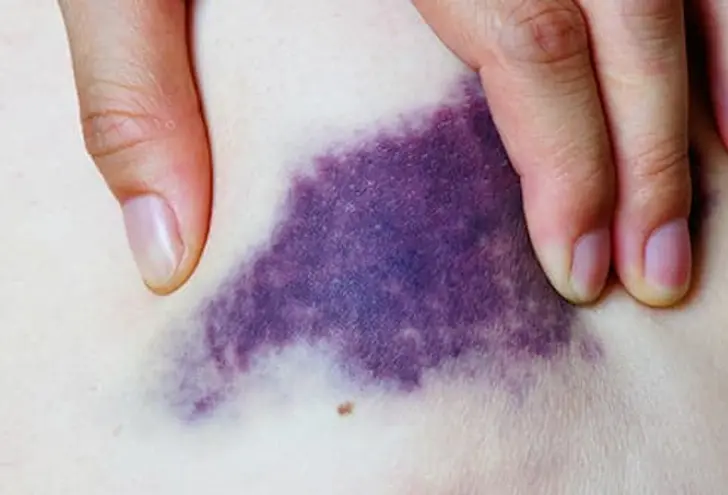
Bruises happen when tiny blood vessels beneath the skin—called capillaries—break due to impact or pressure. When blood leaks into the surrounding tissue, it causes discoloration that can range from red to blue, purple, green, yellow, and eventually brown.
The purple stage typically shows up within 24–48 hours. It means the blood under the skin is beginning to break down and lose oxygen, a normal part of the body’s repair process. As time goes on, your immune system gradually reabsorbs the blood, and the color fades.
At-Home Steps to Support Healing
Although bruises usually heal on their own, you can take a few easy steps to speed up the process and reduce discomfort:
- Apply Cold Within the First 48 Hours
Place an ice pack or cold compress on the area for 15–20 minutes at a time, several times a day. This reduces blood flow to the area and limits swelling. - Elevate the Area if Possible
If the bruise is on your leg, arm, or foot, try to keep it raised above heart level. Elevation helps reduce pressure and swelling. - Avoid Heat Early On
For the first two days, skip warm baths, heating pads, or hot compresses. Heat can cause blood vessels to expand and may increase bruising. - Switch to Warmth After a Few Days
After the initial swelling subsides, warm compresses may help increase circulation and assist the body in clearing the pooled blood. - Use Bruise-Fading Creams or Gels
Some over-the-counter products containing arnica or vitamin K may help reduce the appearance of a bruise. Be sure to follow package directions. - Don’t Massage the Bruise
Rubbing the area may feel tempting, but it can actually make the bruise worse or more painful.
When You Should See a Doctor
While most bruises are harmless, some signs suggest it’s time to visit urgent care:
- The bruise is unusually large or painful
- You bruise often without any known injury
- The area is hot to the touch or oozing
- You feel lightheaded, weak, or feverish
- The bruise doesn’t fade after 2–3 weeks
- Bruising appears in areas you didn’t bump
These could signal an underlying health issue or complication like a hematoma or infection.
Can You Prevent Bruises?
Not all bruises can be avoided, but there are ways to lower your risk:
- Wear protective gear during physical activities
- Keep floors and walkways free of clutter to prevent falls
- Be cautious with medications like aspirin or blood thinners
- Eat foods rich in vitamin C and vitamin K to support vessel health
- Stay hydrated and maintain skin elasticity
Older adults and people with thinner skin may bruise more easily, so gentle movement and home safety become especially important.
Bruises are your body’s natural response to minor trauma. The purple color may be unsightly, but it’s part of the healing process. With a little care, rest, and time, that bruise will fade—often quicker than you think.
If symptoms get worse or don’t improve, visit your local urgent care provider for professional evaluation.
Hey Did You Know We Have an IV Therapy Spa Inside? Check out our drip menu!
arnica gel for bruisesbruise color stagesbruise first aidbruise healing timelinebruise pain reliefcold compress for bruisedeep bruise recoveryelevate bruised legfrequent bruises concernhow to treat a bruisenatural bruise remediespurple bruise causesskin discoloration injuryswelling and bruisingthin skin bruisingurgent care for bruisesvitamin K bruise creamwarm compress healingwhat is a contusion



















