
A warm forehead and flushed cheeks can quickly raise a parent’s alarm—but not all fevers signal something serious. A mild fever in children is usually the body’s natural response to fighting a common infection. Most …
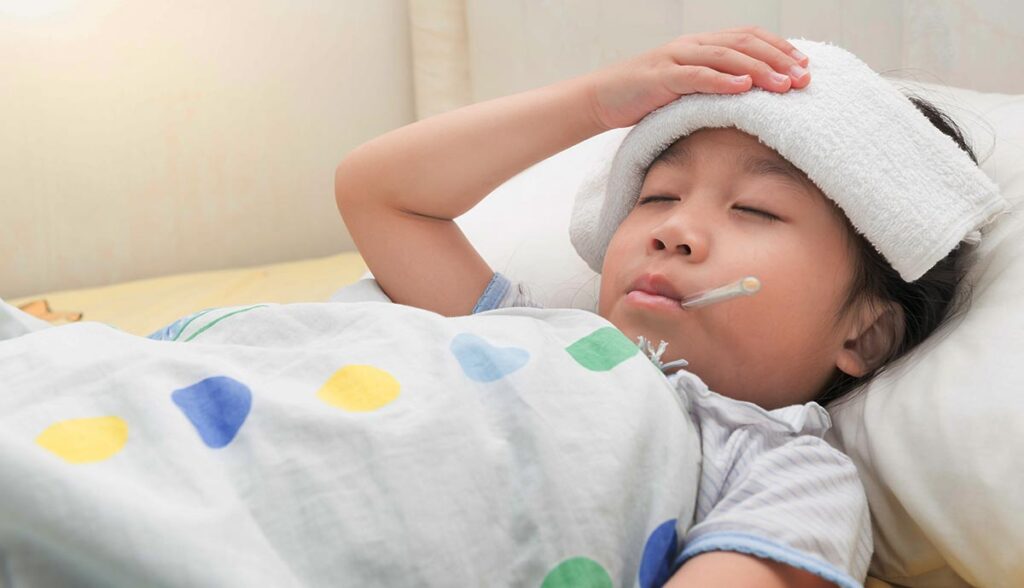
Helping Your Child Through a Mild Fever at Home
July 3, 2025
A warm forehead and flushed cheeks can quickly raise a parent’s alarm—but not all fevers signal something serious. A mild fever in children is usually the body’s natural response to fighting a common infection. Most of the time, it can be managed with rest, fluids, and close observation—right from home.
Understanding what to look for and how to care for your child during a minor fever can help reduce stress and improve comfort for everyone.
What Is a Mild Fever in Children?
For most children, a body temperature between 100.4°F (38°C) and 102°F (38.9°C) is considered a mild or low-grade fever. This kind of fever is often caused by minor viral infections such as a cold or a mild stomach bug.
While the fever may look concerning, it’s actually a sign that the immune system is working properly. Your focus should be on keeping your child comfortable, rather than trying to eliminate the fever entirely.
Step 1: Check the Temperature Accurately
Use a digital thermometer and follow age-appropriate methods:
- Rectal thermometer for babies under 3 months
- Ear or forehead thermometer for toddlers and older children
- Oral thermometer for children over 4 years old
Keep a log if needed. Monitoring temperature trends over 24–48 hours helps you see if the fever is improving or if it’s time to call the doctor.
Step 2: Focus on Fluids and Rest
Fever increases fluid loss, which makes hydration essential. Offer:
- Water or diluted juice
- Oral electrolyte solutions
- Ice chips or popsicles for older kids
- Warm broth for comfort
Don’t worry if your child isn’t eating much—fluids matter more than solid food during a fever. Also, allow extra naps or quiet time. Rest helps the body fight off infection faster.
Step 3: Keep Clothing and Environment Cool
Dress your child in lightweight, breathable clothes. Avoid heavy blankets or layers, which can trap heat and make the fever last longer.
Keep the room temperature moderate—open a window or use a fan for gentle air circulation, but avoid drafts directly on the child.
Step 4: Use Medication If the Fever Is Causing Discomfort
If your child seems fussy, restless, or uncomfortable, you can use:
- Acetaminophen (Tylenol) – suitable for infants over 2 months
- Ibuprofen (Motrin, Advil) – appropriate for children over 6 months
Follow the exact dosing guidelines based on age and weight. Always use the dosing device provided with the medicine.
Avoid aspirin, which can be dangerous for children and has been linked to Reye’s syndrome.
Step 5: Avoid These Common Mistakes
- Cold baths or ice packs may lead to shivering, raising the internal temperature
- Alcohol rubs are unsafe and can be absorbed through the skin
- Over-bundling or wrapping your child in heavy blankets can make them hotter
- Waking them to give medicine isn’t always necessary—let them rest unless otherwise advised by your doctor
Instead, focus on steady hydration, comfort, and close observation.
When to Seek Medical Attention
Call your pediatrician or visit urgent care if your child:
- Is under 3 months old and has any fever
- Has a fever that lasts more than 72 hours
- Refuses fluids or isn’t urinating at least every 6–8 hours
- Is very sleepy, not responding normally, or extremely irritable
- Has a rash, difficulty breathing, or neck stiffness
- Experiences a seizure or doesn’t improve with home care
Fevers that come and go, or worsen, may need professional evaluation.
Bonus Tips for Easier Care
- Keep your child close, but don’t hover—some quiet independence helps reduce anxiety
- Use distractions like favorite books, puzzles, or gentle TV shows
- Encourage small sips every 15–30 minutes
- If in doubt, call your healthcare provider for guidance—they’ll help you decide next steps
Mild fevers are a common part of childhood. With thoughtful home care and plenty of fluids and rest, most fevers resolve on their own. If anything feels “off,” trust your instincts—urgent care is always available for added support.
If symptoms get worse or don’t improve, visit your local urgent care provider for professional evaluation.
Hey Did You Know We Have an IV Therapy Spa Inside? Check out our drip menu!



















