
A hot stovetop, a splash of boiling water, or even a stray spark from the grill—burns can happen in a split second. Fortunately, most daily burn injuries are first-degree burns, affecting only the outer layer …
How to Respond to a Mild Burn Injury the Right Way
July 3, 2025
A hot stovetop, a splash of boiling water, or even a stray spark from the grill—burns can happen in a split second. Fortunately, most daily burn injuries are first-degree burns, affecting only the outer layer of skin. While these are considered mild, treating them correctly from the start is essential to ease discomfort and prevent complications.
Here’s how to give your skin the best care immediately after a first-degree burn.
What Is a First-Degree Burn?
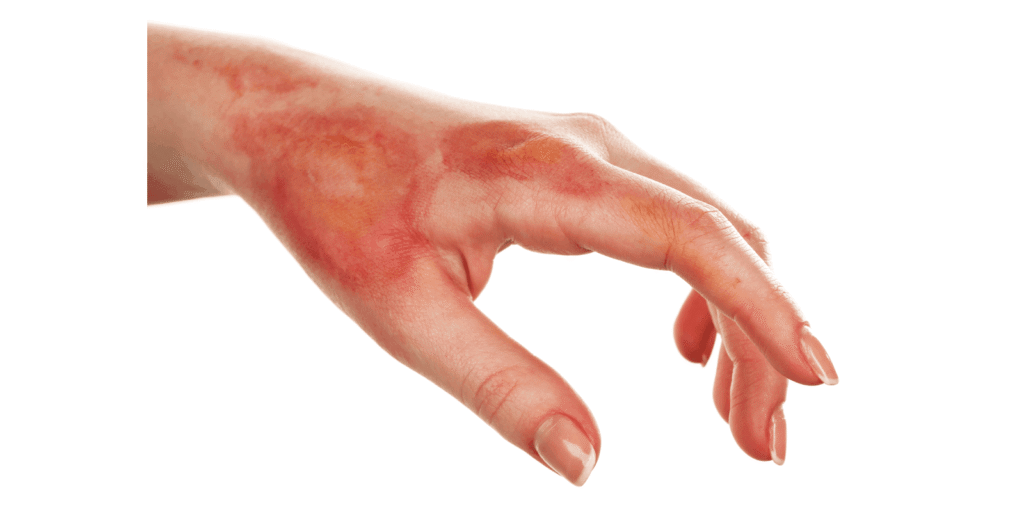
A first-degree burn is a superficial injury that only damages the epidermis—the top layer of skin. These burns are painful and red but don’t usually blister. They may feel warm to the touch and might peel as they heal.
Common causes include:
- Touching a hot appliance
- Brief steam exposure
- Mild sunburn
- Hot liquid contact
These burns usually heal within a week but need proper care during that time.
Immediate First Aid for Minor Burns
Responding quickly and calmly to a burn helps limit further skin damage and speeds recovery. Follow these simple steps:
- Cool the Burn Promptly
Run cool (not cold) water over the burn for 10 to 15 minutes, or apply a clean, cool compress. This reduces pain and draws heat out of the skin. Avoid ice—it can further harm sensitive tissues. - Remove Tight Items Nearby
Gently take off any rings, bracelets, or tight clothing near the burn before swelling begins. Do not remove anything stuck to the skin. - Clean the Burn Gently
After cooling, cleanse the area using mild soap and lukewarm water. Pat dry with a clean towel. Don’t scrub or use harsh products. - Apply Moisture or Burn Gel
Use aloe vera or a gentle, fragrance-free moisturizer to soothe the area. These help reduce dryness and support skin recovery. - Protect with a Loose Dressing (If Needed)
If the area is prone to rubbing or exposure, cover it with a non-stick sterile bandage. Otherwise, leave it uncovered in a clean space to promote airflow. - Manage Pain Safely
Over-the-counter pain relievers like ibuprofen or acetaminophen can reduce discomfort and inflammation. Take as directed.
Common Mistakes to Avoid
Avoid home remedies that might sound helpful but can do more harm than good:
- Do not use ice – It can slow blood flow and damage tissue.
- Avoid applying butter, oil, or toothpaste – These trap heat and may cause irritation.
- Don’t pop any blisters – While rare in first-degree burns, if one appears, leave it intact.
When to Seek Medical Attention
Most first-degree burns are treatable at home, but certain signs call for urgent care:
- Burn involves the face, hands, feet, or joints
- Covers a large area (especially in children or older adults)
- Pain increases over time instead of improving
- Signs of infection appear (pus, warmth, red streaks, or fever)
- Uncertainty about how deep the burn is
If you’re unsure, a medical provider can assess and offer the right treatment plan.
Tips to Support Healing
- Keep the skin hydrated – Continue using a gentle lotion or aloe
- Avoid sun exposure – Newly burned skin is extra sensitive
- Don’t peel – Let dead skin fall off naturally
- Stay hydrated – Skin heals faster when the body is well-hydrated
- Watch for changes – If redness spreads or discomfort returns, get it checked
Healing typically takes 3 to 7 days. Once healed, the skin may look slightly pink for a short time.
A small burn doesn’t have to mean big discomfort. Prompt, proper first aid keeps pain under control and speeds up recovery. With a few simple steps, you can treat a first-degree burn confidently and safely.
If symptoms get worse or don’t improve, visit your local urgent care provider for professional evaluation.
Hey Did You Know We Have an IV Therapy Spa Inside? Check out our drip menu!



















