
It’s a common reflex: you burn yourself and immediately reach for an ice cube. But is that the right move? While it may feel like the fastest way to relieve pain, using ice on a …
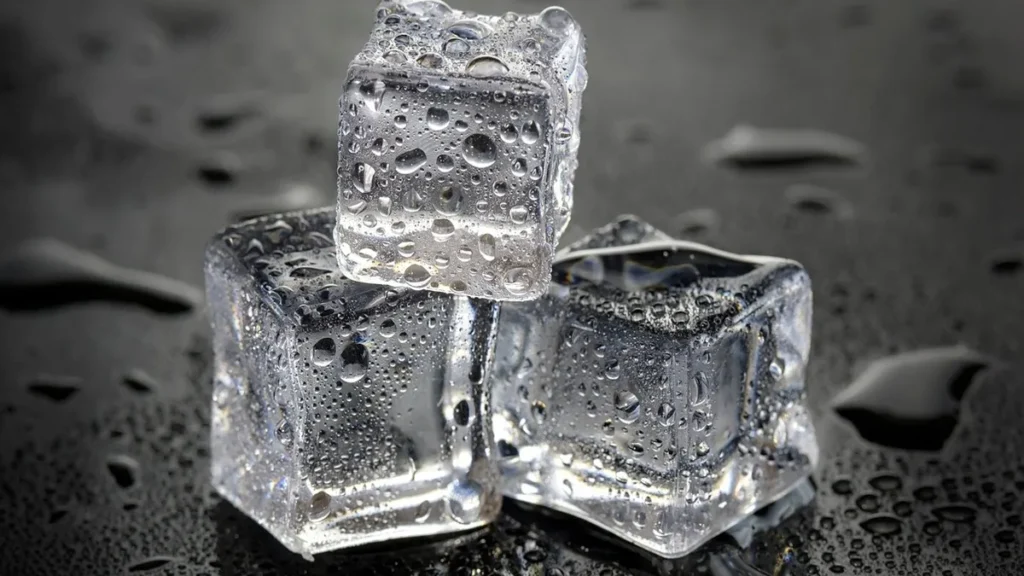
The Truth About Using Ice on a Burn
July 2, 2025
It’s a common reflex: you burn yourself and immediately reach for an ice cube. But is that the right move? While it may feel like the fastest way to relieve pain, using ice on a burn can actually cause more harm than good. Understanding the right—and wrong—ways to cool a burn is essential for proper healing.
Let’s take a closer look at why ice isn’t the best option and what to do instead.
Step-by-Step: Why Ice Can Be Harmful for Burns
- Ice Is Too Cold for Damaged Skin
Burned skin is already injured. Applying something as extreme as ice can further damage the tissue, leading to frostbite-like effects, delayed healing, or even additional pain. - It Can Worsen the Burn
Ice constricts blood vessels, reducing blood flow to the area. While that might seem helpful for swelling, it can actually slow down the body’s natural healing response and increase tissue damage. - It Masks the Severity
Numbing the area with ice might make you think the injury is less serious than it is. This can delay appropriate treatment.
What You Should Do Instead
- Cool the Burn with Water, Not Ice
Run cool (not cold) tap water over the burn for 10–15 minutes. This safely lowers skin temperature and relieves pain without harming tissue. - Use a Cool, Damp Cloth If Running Water Isn’t Available
A clean, soft towel soaked in cool water can be gently placed over the burn for the same effect. - Gently Pat Dry
After cooling, use a soft towel to gently dry the area. Don’t rub the skin, which may be extra sensitive. - Apply a Soothing Burn Gel or Aloe Vera
Once dry, apply a layer of aloe vera or burn ointment to moisturize and calm the skin. - Cover If Necessary
Use a sterile, non-stick bandage to protect the burn, especially if it’s in an area that may rub against clothing or surfaces.
When to Seek Medical Help
Burns that seem minor at first can sometimes require professional care. Visit urgent care if:
- The burn covers a large area or is located on your face, hands, feet, or genitals
- There are signs of infection like redness, pus, or increasing pain
- The burn blisters or turns white or leathery
- Pain doesn’t improve after the first day
- You haven’t had a tetanus shot in the last 5 years
- You feel faint, feverish, or chilled
Helpful Tips & Common Myths
- ❌ Myth: Ice numbs pain so it must be good – It may reduce pain momentarily but increases the risk of skin damage
- ✅ Tip: Always keep aloe vera gel in your first aid kit – It soothes without harming delicate tissue
- ❌ Myth: Cold = healing – The right temperature matters. Cool is soothing, cold can be damaging
- ✅ Tip: Set a timer when running water over a burn – Many people stop cooling too soon
If symptoms get worse or don’t improve, visit your local urgent care provider for professional evaluation.
Hey Did You Know We Have an IV Therapy Spa Inside? Check out our drip menu!



















