
It’s not unusual to bump into something and notice a purplish mark forming within hours. That deep-colored bruise might look dramatic, but it’s your body’s normal reaction to minor trauma. Still, most people wonder what …
Understanding Skin Discoloration After Injury (and How to Help It Heal Faster)
July 3, 2025
It’s not unusual to bump into something and notice a purplish mark forming within hours. That deep-colored bruise might look dramatic, but it’s your body’s normal reaction to minor trauma. Still, most people wonder what they can do to reduce that dark color and speed up healing.
Let’s break down what that purple mark really means and how you can care for it properly at home.
What Causes the Purple Color in a Bruise?
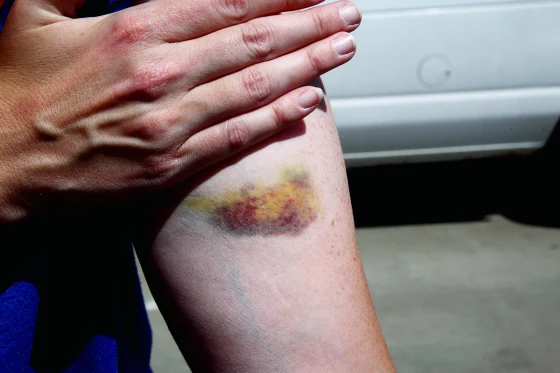
A bruise (or contusion) appears when small blood vessels beneath the skin rupture due to an impact. The blood leaks into nearby tissues, creating that dark discoloration. In the early stages, the bruise often looks reddish or deep purple, especially within the first 24–48 hours.
The color will change over time as your body reabsorbs the blood:
- Purple or blue: Fresh, within 1–3 days
- Green or yellow: Mid-stage healing
- Brown or faded yellow: Final healing phase
Where the bruise occurs also matters—bruises on thinner or lighter skin tend to look more intense.
How to Help a Bruise Heal Faster
Bruises usually go away on their own within a week or two. But with a few simple steps, you can support your body and possibly reduce healing time.
- Apply Ice Right Away
For the first 24–48 hours, apply a cold compress or wrapped ice pack for 15–20 minutes at a time. This helps reduce blood flow to the area and limits discoloration. - Keep the Area Elevated
If the bruise is on your arm or leg, keep it raised above heart level when possible. Elevation helps reduce blood pooling and swelling. - Avoid Heat Early On
Don’t apply heat to the area in the first couple of days—it can increase blood flow and worsen discoloration. - Switch to Warm Compress Later
After 48 hours, warm compresses can help promote circulation and clear away pooled blood. - Use Arnica or Vitamin K Cream
These topical remedies may help reduce inflammation and speed up fading. Always follow label instructions. - Avoid Strenuous Activity Near the Injury
Give the bruised area time to recover by avoiding heavy pressure, stretching, or impact for a few days.
When a Purple Bruise May Be a Red Flag
In most cases, a bruise is harmless. But some symptoms could indicate something more serious:
- The bruise is growing or hard to the touch
- There’s significant swelling or intense pain
- You don’t recall an injury but develop bruises frequently
- The area becomes very warm, red, or tender
- You have a fever or feel generally unwell
- Bruising is accompanied by nosebleeds or bleeding gums
These signs could point to internal bleeding, a hematoma, or a clotting disorder. If you’re unsure, visit urgent care for evaluation.
Tips to Prevent Future Bruises
Some people bruise more easily than others, especially with age, certain medications (like blood thinners), or health conditions. To minimize bruising:
- Wear protective gear during physical activity
- Add more vitamin C and K to your diet for better capillary strength
- Keep home walkways clutter-free to reduce bump risks
- Avoid tight clothing or gear that may press into the skin
Bruises may not look great, but they’re often a sign that your body is working exactly as it should—sealing off injured blood vessels and repairing tissue. While they typically resolve on their own, you can support the healing process with rest, ice, and patience.
If symptoms get worse or don’t improve, visit your local urgent care provider for professional evaluation.
Hey Did You Know We Have an IV Therapy Spa Inside? Check out our drip menu!



















