
Tinnitus, commonly described as ringing, buzzing, or humming in the ears, affects millions of people. While not usually dangerous, it can be disruptive and may signal an underlying issue. Some cases go away on their …
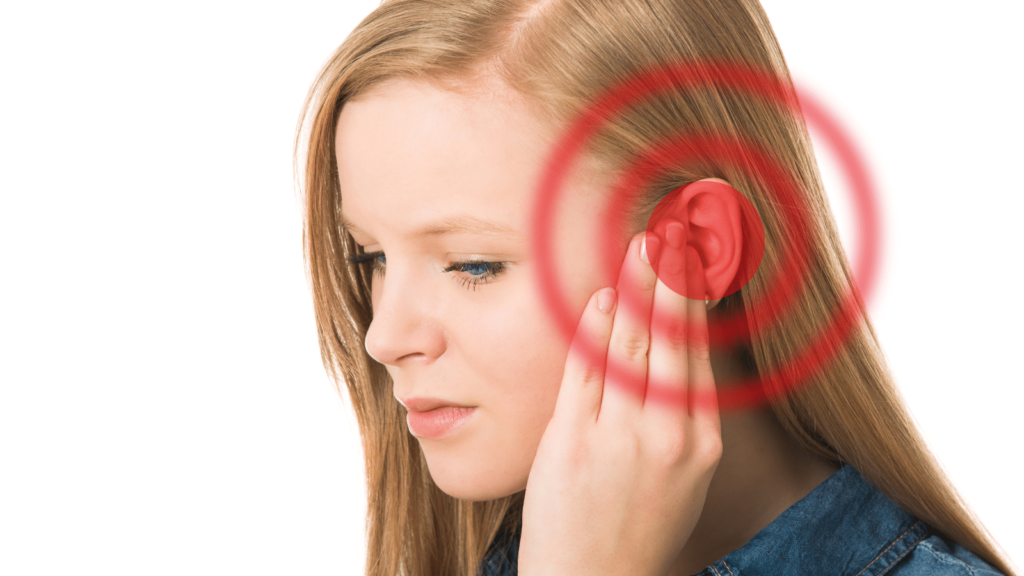
What to Do About Ringing Ears (Tinnitus)
July 3, 2025
Tinnitus, commonly described as ringing, buzzing, or humming in the ears, affects millions of people. While not usually dangerous, it can be disruptive and may signal an underlying issue. Some cases go away on their own, while others need medical evaluation. Here’s how to manage tinnitus at home—and when to seek help.
What Causes Tinnitus?
Tinnitus can be caused by a range of conditions, including:
- Exposure to loud noise (e.g., concerts, machinery)
- Earwax buildup
- Ear infections or injuries
- Age-related hearing loss
- Certain medications (like aspirin or antibiotics)
- Jaw issues (TMJ disorders)
- Stress or anxiety
- Circulatory problems
Home Remedies to Ease Tinnitus
1. Protect Your Ears from Loud Noises
- Avoid noisy environments or wear ear protection when exposed to loud sounds
- Lower the volume on headphones and TVs
2. Try Gentle Background Noise
- Use a fan, white noise machine, or calming music to mask the ringing at night
- Helps distract the brain from focusing on the sound
3. Limit Caffeine, Nicotine, and Alcohol
- These can worsen tinnitus by affecting blood flow and nerve sensitivity
4. Practice Stress Reduction
- Tinnitus often worsens with anxiety or stress
- Try breathing exercises, yoga, or meditation for relief
5. Keep Ears Clean (But Safely)
- Don’t use cotton swabs inside your ears
- See a medical provider for safe earwax removal if buildup is suspected
6. Stay Hydrated and Well-Rested
- Fatigue and dehydration can increase the intensity of tinnitus
- Make sleep and hydration a priority
When to See a Medical Provider
Visit urgent care or your doctor if:
- The ringing starts suddenly or in just one ear
- It’s accompanied by hearing loss, dizziness, or balance issues
- You experience ear pain, pressure, or drainage
- Tinnitus worsens over time or affects your sleep and daily life
- You recently had a head injury or loud noise exposure
Tinnitus may sometimes signal a more serious ear, jaw, or neurological issue that needs prompt attention.
Treatment Options
Depending on the cause, a healthcare provider may recommend:
- Earwax removal
- Hearing aids (for age-related hearing loss)
- Treating an infection or TMJ disorder
- Sound therapy or counseling
- Medication adjustment if tinnitus is drug-related
If symptoms get worse or don’t improve, visit your local urgent care provider for professional evaluation.
Hey Did You Know We Have an IV Therapy Spa Inside? Check out our drip menu!



















